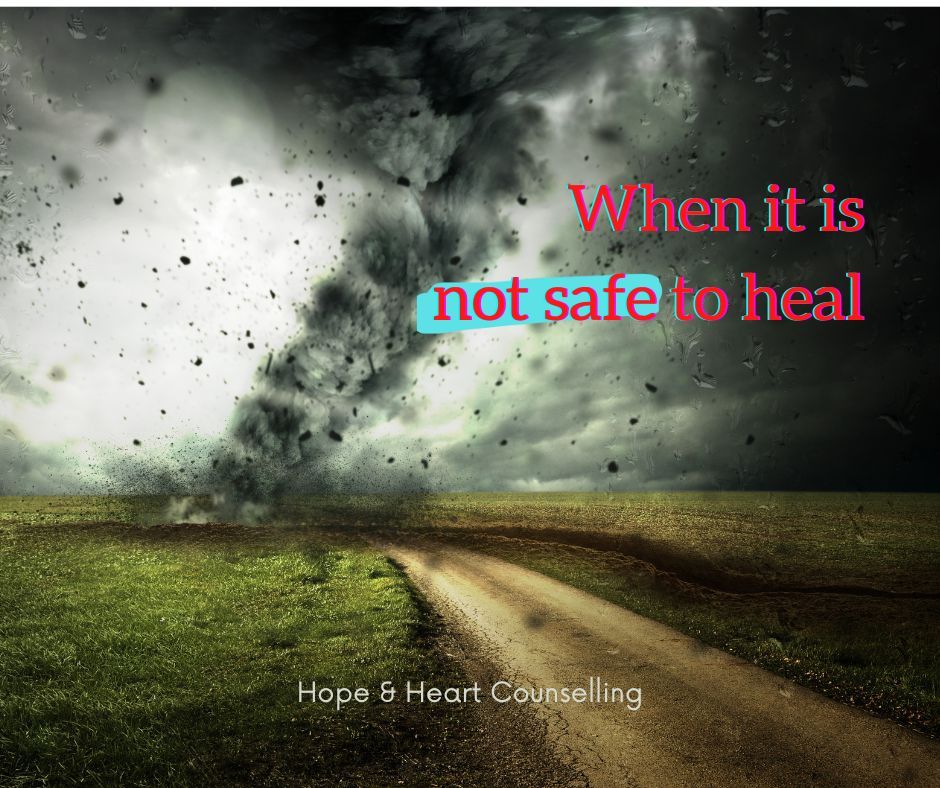
When it is not safe to heal
7 September 2022
If people are in situations where they are being ill-treated, e.g. physical, sexual or other abuse, bullying, ostracisation or vicious workplace politics, then their parts’ protective reactions are needed to keep them safe. Or sometimes, the system of parts has no confidence that the person can handle emotional or sensorial activation.
In such instances, we work with the person and his/her parts to address the safety issues first.
Only when the person is safe from the present danger do we start working with the parts in intense roles and parts carrying deep pain. Before a safe environment can be achieved, the protective parts’ intense reactions and hiding of the hurt little child parts can be the only way to keep the person safe.
If you wonder whether this applies to you, a useful question to ask yourself is whether you are still literally in danger today. Memories of harm can feel very real and we can help free you from the negative emotional charge in them. But only after you really are safe in the current day.
Addressing safety means we work on what makes you safer, such as the practical arrangements and the support around you. Sometimes, it can also mean increasing your system’s tolerance of emotional and sensorial activation before working with the trauma memories.